What Is a Mortise Lock and Why Do Commercial Doors Depend on It
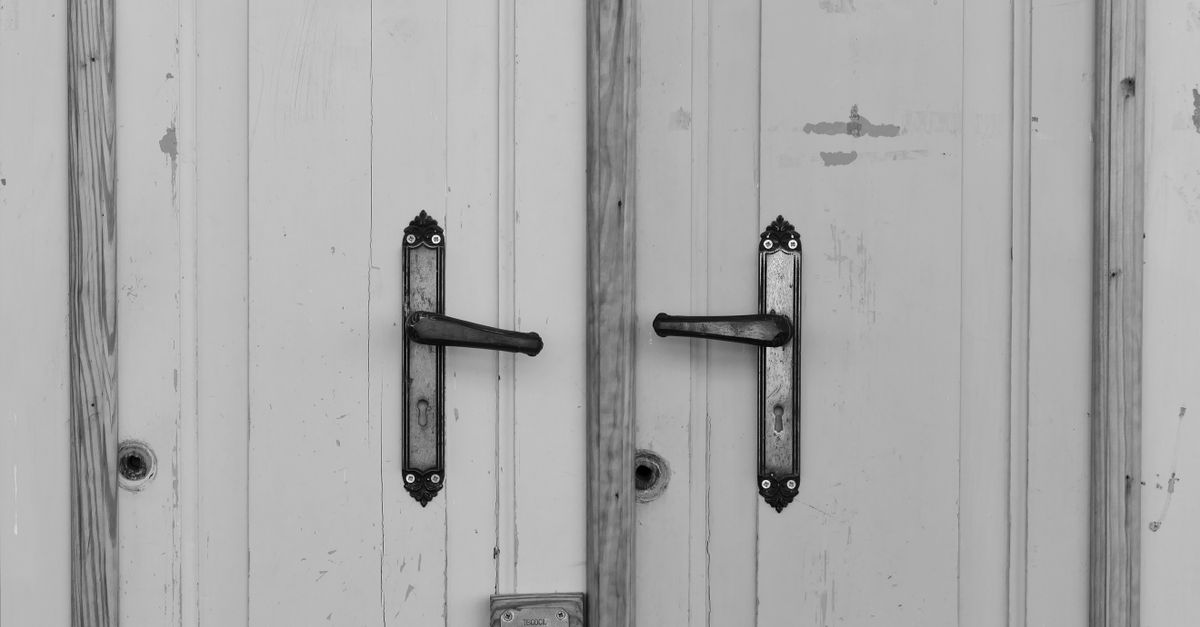
A mortise lock differs from a cylindrical lock at a fundamental level. The lock body — called the case — is installed inside a mortise, or cavity, that is routed directly into the door stile. That deep pocket mounting gives the lock far more contact surface with the door material, which dramatically increases its resistance to forced entry, kick-in attempts, and the chronic stress of high-traffic use. A complete mortise lock set typically includes the lock case, a mortise lock cylinder (the plug that accepts the key), a pair of lever or knob handles, a rose or escutcheon plate, and a matching strike pocket in the door frame. Every one of those components matters to overall security and daily function.
Commercial-grade mortise hardware comes from manufacturers such as Corbin Russwin, Baldwin, Schlage, and Yale — each offering different keyways, trim styles, and security ratings. A Corbin Russwin mortise lock, for example, is a staple in schools, hospitals, and government buildings because of its ANSI Grade 1 durability and its broad range of interchangeable cylinders. A Baldwin mortise lock is favored in upscale commercial lobbies and boutique hotels for its solid brass construction and architectural finish options. Knowing which hardware family is already installed on your door — and what replacement or upgrade options are compatible — is where professional assessment becomes essential. Our technicians are experienced with the full spectrum of commercial mortise brands and can source the right parts without unnecessary guesswork or delays.