Why Keys Break Inside Locks — and Why It Matters for Red Bank Homes and Businesses
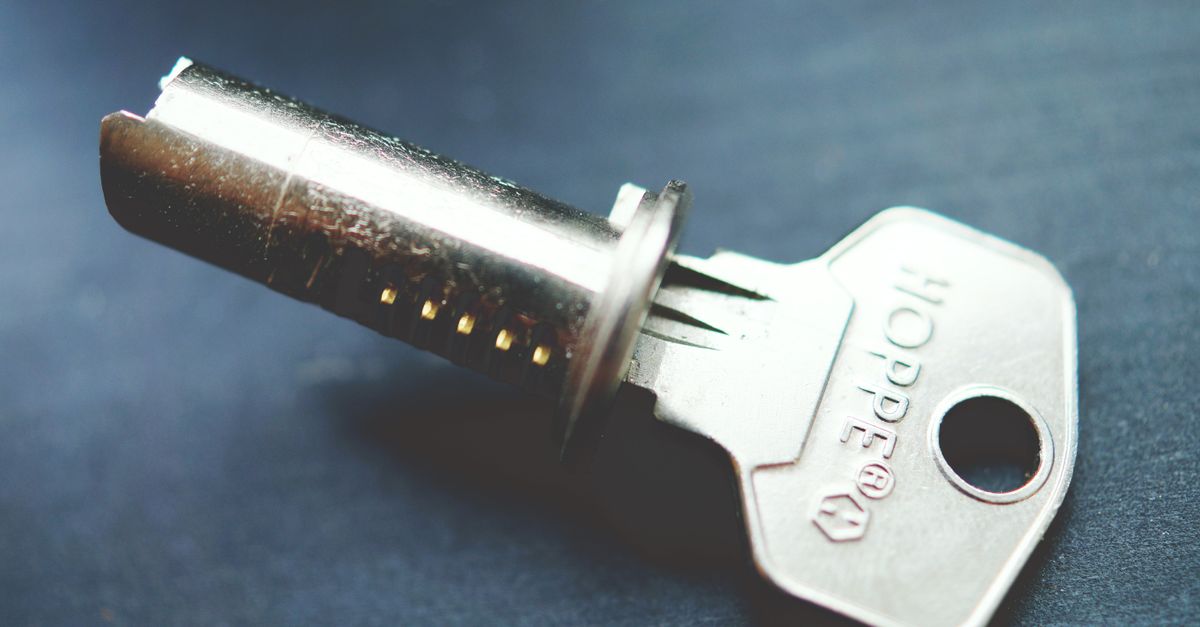
Keys do not break at random. The most common causes are metal fatigue from years of daily flexing, attempting to turn a lock that is frozen or jammed with debris, using a worn or poorly duplicated key, and applying sideways torque during the turn cycle. In Red Bank's older residential neighborhoods — think the streets flanking Marine Park or the closely packed row properties near the train station — many locks are decades old and have never been serviced. Inside these cylinders, worn tumblers create uneven resistance that puts extra stress on the key blade every single time it is used. Commercial properties along Monmouth Street face a similar pattern: high-traffic mortise locks that see hundreds of cycles per week are especially prone to trapping a snapped key because the bolt mechanism continues holding the blade under tension.
A broken key left inside a lock is not just an inconvenience — it is a security vulnerability. Until the fragment is removed, the lock cannot be operated normally, rekeyed, or replaced without risking further internal damage. Attempting to push, pull, or dig at the fragment with a coat hanger, tweezers, or a pen tip almost always makes the extraction more difficult by pushing the broken piece deeper into the cylinder or scoring the delicate internal pins. The right response is to stop, avoid further manipulation, and call a professional.